About Personal Training Profits, the Independent Alternative to a Personal Training Studio Franchise

Personal Training Profits is the independent alternative to buying a personal training studio franchise.
In 1996, the model behind it was presented to Nautilus and distributed through their US rep network, before the studio franchise category existed. The argument then was that health clubs served a small fraction of the population, and that nobody had properly built for the rest. The industry has since built a multi-billion dollar category on part of that argument. The rest is still open, and it is what this business is built around.
What follows is where the systems came from.

Our founder’s journey in health and fitness began in Perth, Western Australia, as a skinny young man who wanted to build strength through weightlifting. Over the next 11 years, Paul Barclay trained and competed with world-class athletes and won several championships. His passion for fitness soon turned into a career. Paul launched a fitness equipment manufacturing company and later worked with some of the largest fitness brands in the world.

These experiences opened the door to the personal training industry and, in 1992, he co-founded and launched the Renouf Personal Training Centre, which grew into multiple locations.
Renouf Personal Training Centre logo from Perth Western Australia

Each center combined diet and exercise to deliver guaranteed results. Thousands of customers benefited from programs built on real, lasting change. As a business model, the original location generated revenues in excess of 1,000,000 dollars per year.

In 1994, the equipment icon Nautilus recommended Paul to their Middle East distributors, with the goal of promoting his new lifestyle center concept throughout the Middle East and India. He took on the role and worked on some of the most prestigious installations in the region.

An opportunity then developed in the United States, and he then moved to Dayton, Ohio. He was soon pioneering the personal training business throughout the country.
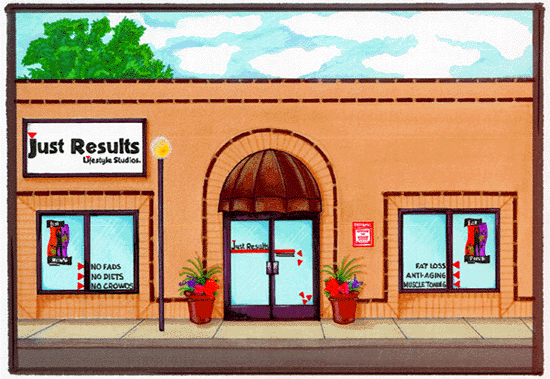
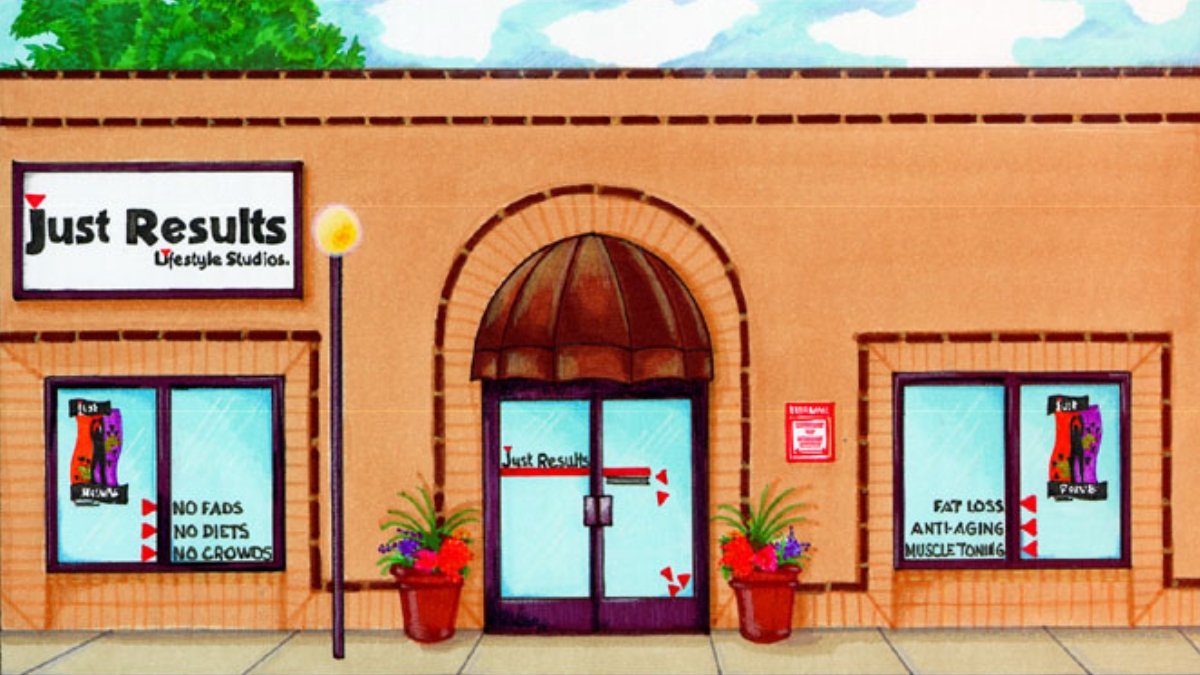
Illustration of Just Results lifestyle studio exterior personal training business

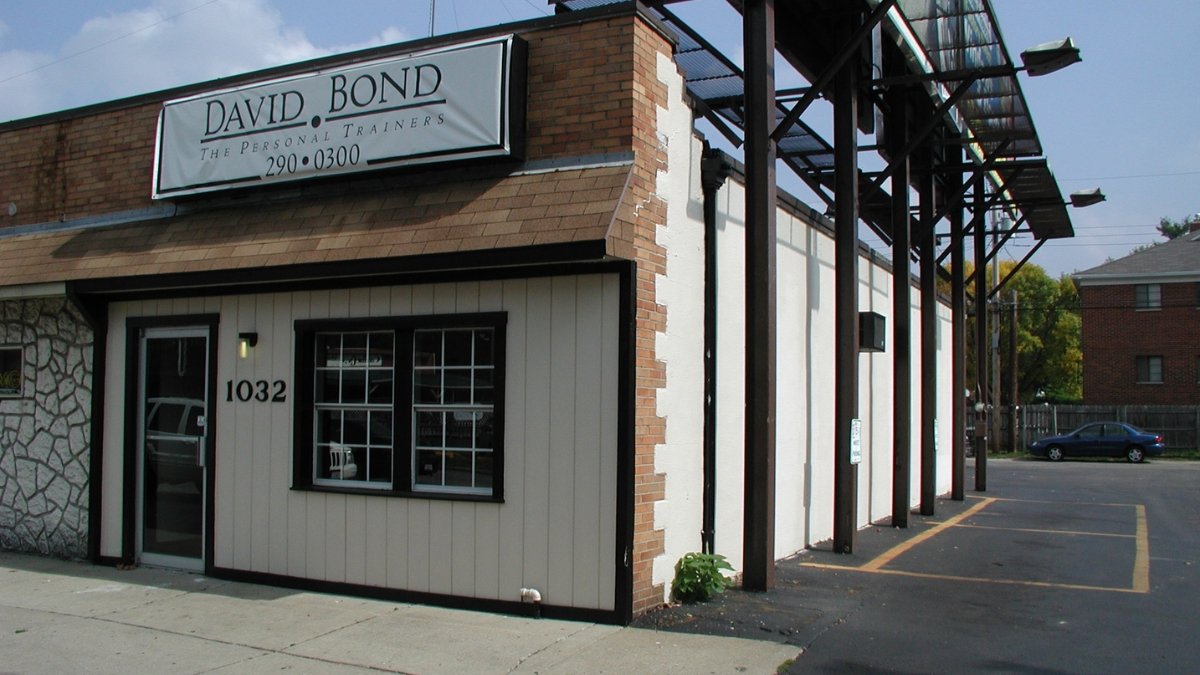
In 1996, Paul co-founded and launched the world’s first Lifestyle Center in Kettering, Ohio, focused on attracting the 90 percent of the population who would not join a fitness center. This center set new standards in personal training and began attracting visitors from all over the United States who also wanted to break into this new deconditioned market.

Two years later, Paul launched a more streamlined studio model that was soon delivering over 1,500 sessions per month. The focus was on smaller studios, which were easier to set up and manage, and the model was developed to the point where it was ready to franchise. Knowing what that agreement actually contains, from the inside, is why this business now argues against signing one.
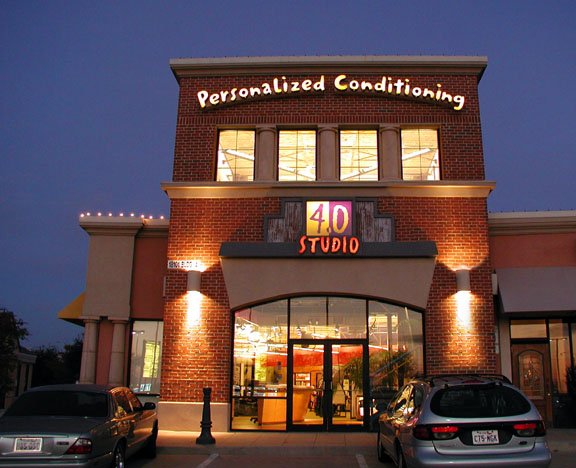
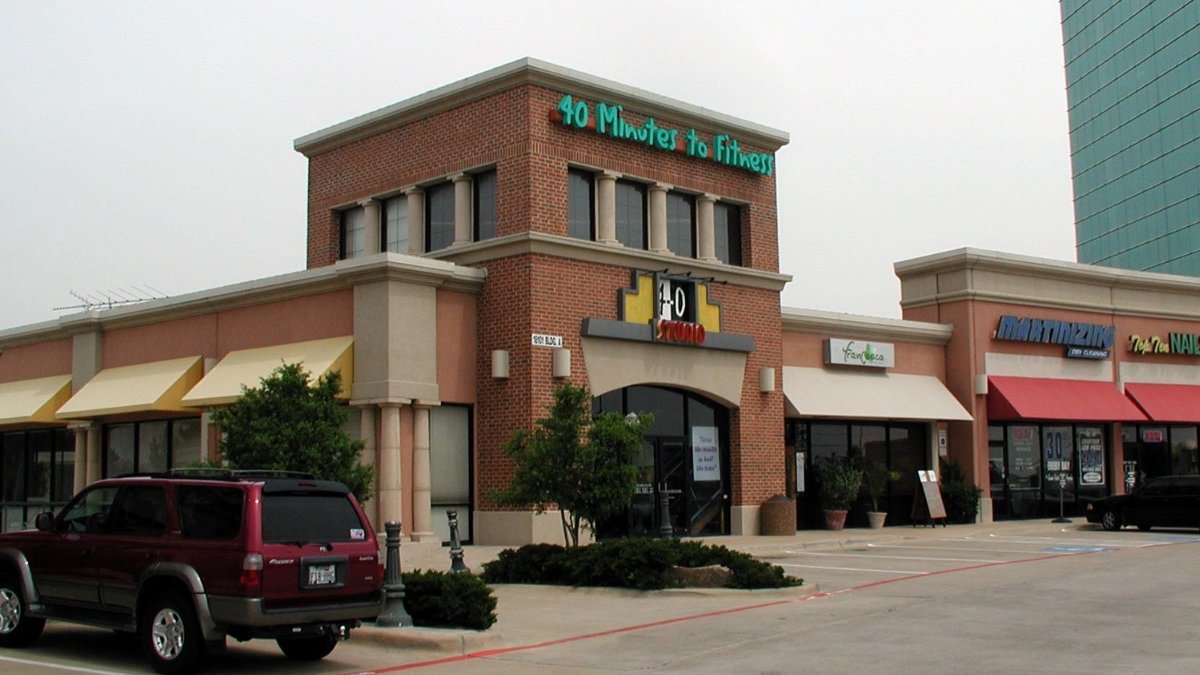
Exterior of 4.0 Studio personal training center at night with Personalized Conditioning sign

Over the next five years, he opened new studios and consulted with businesses across the United States, while fine tuning the systems that make duplication easier and profitability more predictable.

Since then, he has consulted with large and small businesses and with individual trainers in the personal training industry, launched a worldwide personal trainer directory, and helped many trainers develop and manage their own studios.

Paul is now focused on Personal Training Profits, which packages three decades of that work into the systems, playbooks and launch support behind an independently owned studio.
Personal Training Profits logo

Throughout his career, Paul has worked with top fitness experts, bestselling weight loss authors and certified dietitians. He has also partnered with exercise professionals and Fortune 500 companies. This broad network gives him a deep understanding of how the exercise and diet industries work. Most importantly, it showed him what actually makes a personal training business successful.
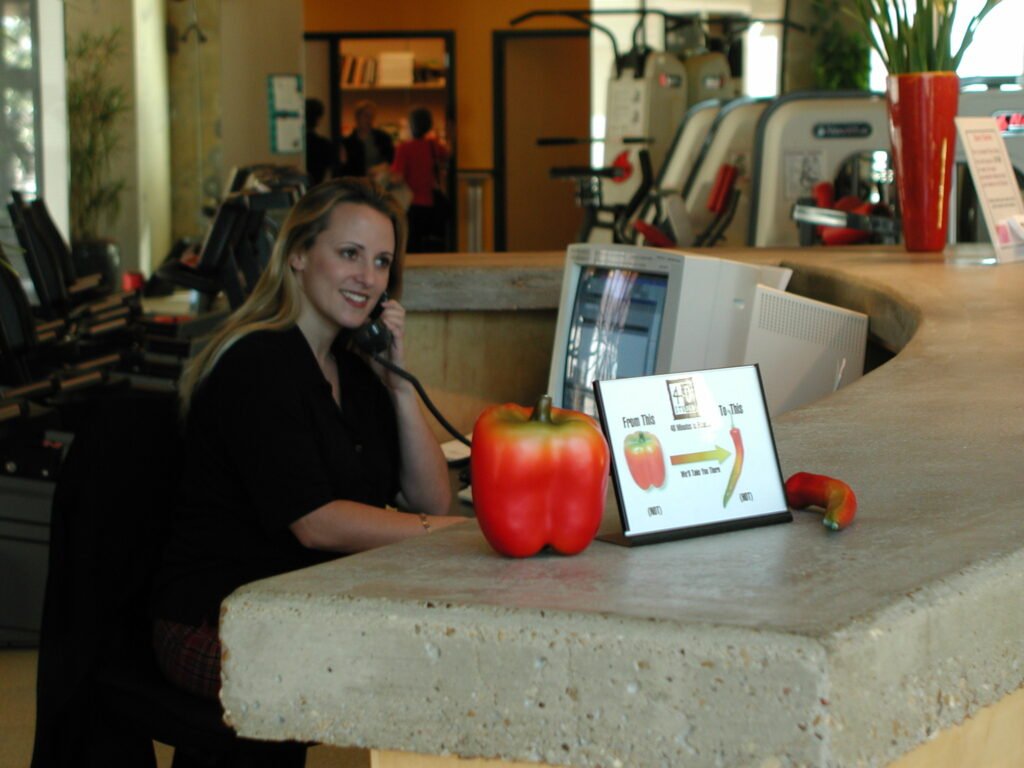
Personal training studio receptionist on the phone at curved front desk with cardio equipment in the background

Studios do not usually fail because the coaching is poor. They fail because nobody built a business around it. The same problems repeat, whether the studio is independent or carries a brand on the door:

  • Full appointment books that still do not produce an owner’s income, because pricing and packaging were never set properly
  • Owners trapped inside their own studio, because there are no systems for staff, sales or retention
  • Operators paying a royalty on gross revenue for the life of the business, in exchange for systems they could have owned outright
  • Studios built for people who are already fit, in markets where most of the population is not

AI is changing what a career looks like in a growing list of fields. Photography, copywriting, graphic design, paralegal work, customer support. Not eliminated, but reshaped fast enough that experienced people are asking what they do next.

The answer, increasingly, is that they open something. Something local, physical and owned. The work happens in a room, at an appointment, with equipment you own and a client base that lives within a few miles of your door. Generic programming has become close to free. What has not become free is a person in the room.

A supervised training studio is a good match for that. It is a small, high-margin service business with predictable revenue and a low headcount, and management experience matters more in running one than a certification does.

The obstacle is the entry price. Most of the visible options in this industry are franchises asking for a quarter of a million to half a million dollars before the doors open, plus a royalty on gross revenue for as long as the business exists. That is a barrier to entry, not a business model, and it filters out capable people who have the capital, the experience and the drive to run a good studio.

Personal Training Profits exists for the people that filter catches. Not for someone starting a career, but for someone starting a business.

The systems are documented rather than described. Three playbooks totaling 727 pages cover positioning, studio setup and operations, and the marketing, sales and retention engine behind the revenue.

The same material is broken into more than 33 video lessons of ten to fifteen minutes each, organized across positioning and messaging, programs and results, staff and leadership, systems and operations, lead generation, sales, and pricing and profit. That matters because a new trainer cannot be handed 727 pages on their first day, and staff training is one of the genuine reasons people buy a franchise.

None of it is theory. It is the written form of what ran in the studios above, and it is what gets installed during a launch.

If you have read this far, you are probably deciding between a franchise and building your own. The next page sets out what an independent studio actually costs to open, what a launch involves, and what the same capital buys on each route.

Scroll to Top