
Personal Training Studio Results, Built Over 35+ Years
Intro
Every figure on this page carries a date, a place and a role. Two of these businesses I built and owned. Two belonged to someone else and I was paid to fix them, which is the harder proof and the more useful one.
35+ years across Australia, the Middle East and the United States. This is the record, not a summary of it.
How It Began
Personal Training Profits did not start as a website; behind this is more than 35+ years of launching, building, scaling, and fixing personal training businesses across three continents. Most Personal Trainers today experience a hard lesson that the industry teaches over and over. Great trainers do not fail because they cannot get people results. They fail because nobody shows them how to build a business that consistently brings in the right clientele, converts leads into paying customers, and retains these clients long enough to build a viable business model.
While our founder was a competitive powerlifter and bodybuilder in his early years, that passion turned into a career that moved through exercise equipment manufacturing, partnerships with major fitness brands, supplying some of the most prestigious fitness centers in Australia and then eventually into what became the real focus, building personal training studios that serve the market most gyms ignore.
The First Proof
In 1991, Paul Barclay co-founded Renouf Personal Training Centre in Perth, Western Australia (Read the case study: Renouf Personal Training Centre Perth, 1992–1994). This training company combined exercise and nutrition to produce real, lasting change, and the business soon grew into multiple locations. The original location generated more than $1,000,000 per year, and it did it by serving everyday people, not fitness fanatics. That was the first clear signal that the deconditioned market is not a niche. It is the majority.
The Middle East
In 1994, the equipment icon Nautilus recommended Paul to their Middle East distributors to help promote a new lifestyle center concept across the region. That work sharpened what mattered most: the offer, the messaging, the standards, and the systems required to duplicate results in different markets.
The Model that Changed Everything
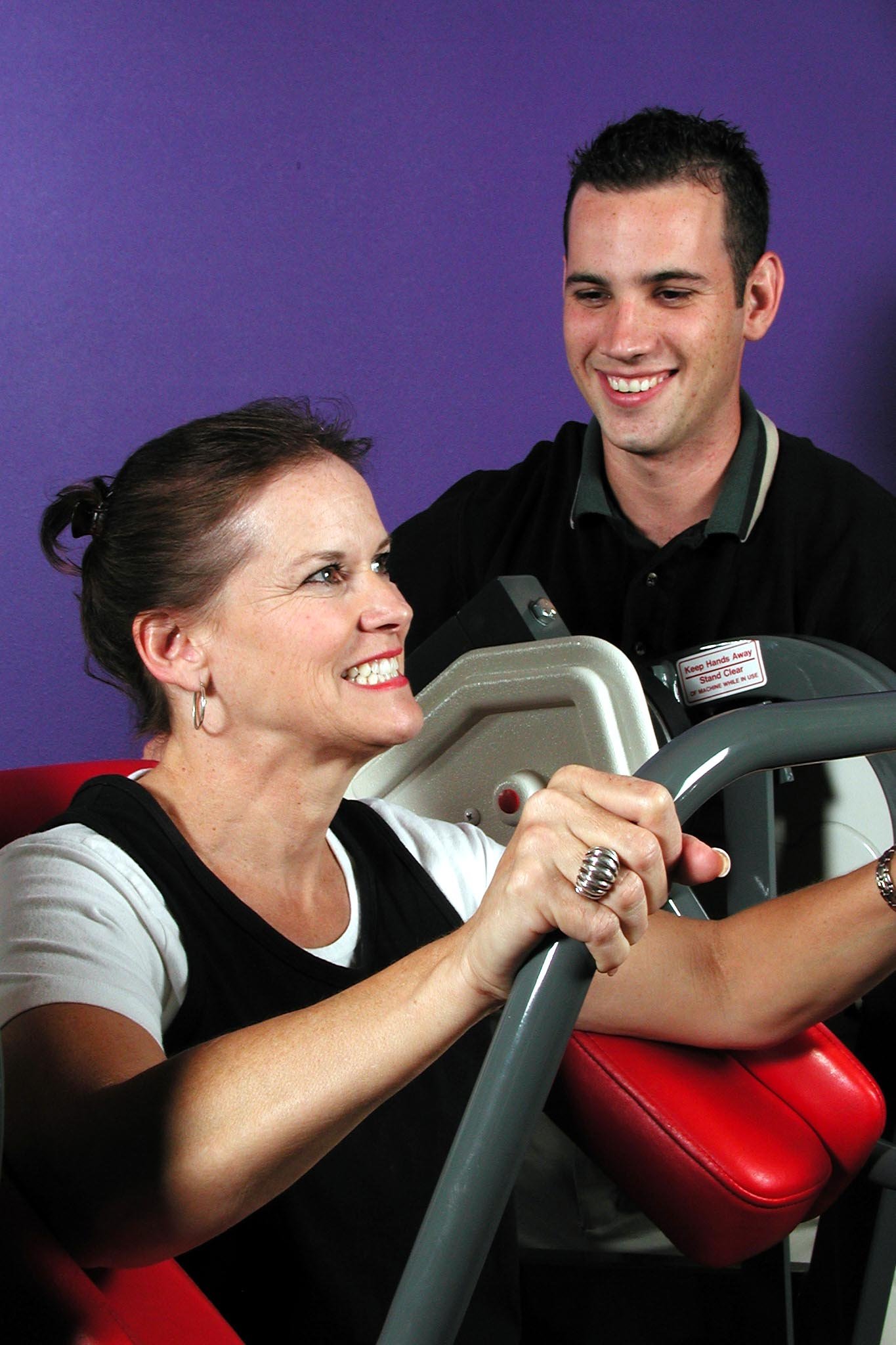
Opportunity knocked yet again, and this time it was in the largest market of all, the USA. When Paul moved to the United States, the mission got simpler. Build a studio designed for the 90 percent of people who will not join a typical gym. In 1996, he co-founded and launched the world’s first Lifestyle Center in Kettering, Ohio, built specifically for that deconditioned market. Trainers and owners visited from around the U.S. because they could see something very different from a typical “fitness facility”. This was not a one-of-a-kind business. It was a repeatable business model.
Two years later, he streamlined the concept into a smaller studio model that was easier to set up, easier to manage, and easier to duplicate. That model averaged over 1,500 sessions per month, and it formed the foundation for franchise-style growth (Read the case study: Just Results Lifestyle Studios 1997–2000).
What “Results” actually means in Real Studios
Over the years, Paul opened new studios and consulted across the United States while refining the Personal Training Business Systems that make profitability more predictable. That includes marketing that attracts the right people, consult processes that convert without pressure, delivery systems tied to assessments and tracking, and simple operations that keep the business consistent even when the owner is not there.
While this is not a franchise or brand license, these systems, when implemented, will work very similar and because this is a proven system, you can run your own studio and still have time off while keeping more of your revenue. You can see the impact of that kind of implementation in the testimonial from Dallas, where the owner describes restructuring staff positions, training systems, and policies, followed by record growth in sales and client base within one location.
Why this Really Matters Now
The people opening studios today are not all trainers. Redundancy, restructuring, early retirement and the displacement of experienced professionals by automation are pushing capable people with capital and management experience toward hands-on local businesses they can own.
That buyer does not need to be taught how to train. They need the model, the numbers and the sequence, from someone who has installed it in businesses they did not own.
Proven Results
Marketing and Sales Systems that Last
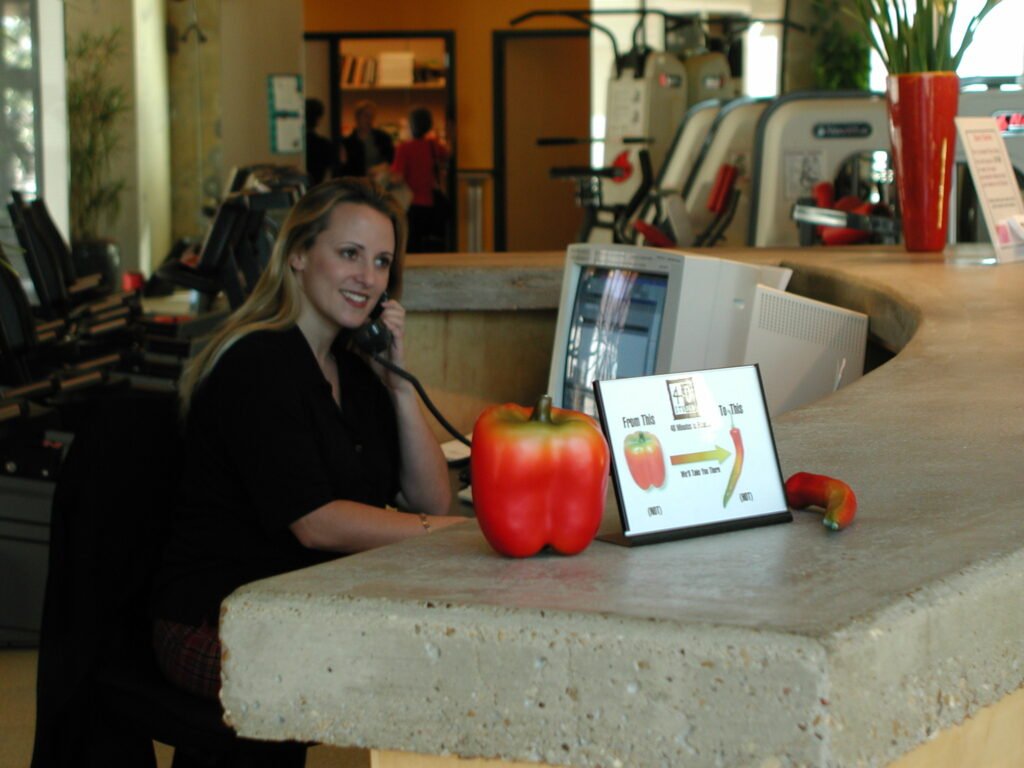
Businesses do not grow from motivation alone. They grow from repeatable lead flow and a clear consultation process. When those systems are installed, sales becomes a process, not a personality trait. Scott Mitchell’s recommendation (see testimonials) describes sales growth and record performance after systems were implemented and staff roles were reorganized.
Operations and Team Systems, not Owner Dependence
A personal training business becomes scalable when quality stays consistent and delivery does not depend on one person doing everything. Clear roles, standards, onboarding, and simple weekly reporting keep the service consistent, protect the client experience, and reduce chaos as the business grows.
Credibility Across the Industry
These systems were not built in a bubble. They were recognized by leaders in equipment, studio operations, and health professions. That matters because it shows the systems hold up under scrutiny and across different markets.
What the Systems Cover
Four areas, built and refined in working studios rather than written from theory.
Positioning and targeting, so the business attracts the deconditioned market and other underserved clients rather than competing for the small minority who already train.
Sales systems that turn inquiries into booked consultations and paying clients without pressure tactics, so conversion is a process rather than a personality trait.
Service delivery systems that produce measurable progress through clear assessments, simple programming and a re-assessment rhythm, because retention is a delivery problem before it is a marketing one.
Operations and staff systems that keep quality consistent when the owner is not on the floor. This is the difference between a studio and a well-paid job.
What These Systems Have Produced
Every figure below is a record with a date, a place and a role attached. None of them is a projection.
Recognized Across the Industry
These systems were not built in isolation. Endorsements on file from Jim Teatum, President of the Nautilus Commercial Division; David Renouf; Scott Mitchell, founder and CEO of 4.0 Studio; Jack Cobb and David Kessinger of Just Results; Kirk Wilder of Calibrations; Cherie Bronsky of Wellness Works; and Dr Jeffrey Wilbert, author of Fattitudes. (read the testimonials)
The model was presented at Club Industry and distributed through the Nautilus US rep network.
Why Systems Beat a Franchise Name
A franchise sells you a name and a rulebook, then charges a royalty on gross revenue for as long as you own the business. At the end of it, the brand still is not yours.
These systems give you the same operating structure without the entry fee, without the perpetual fee, and with an asset you own outright and can sell.