
Most studios try to sell training before they earn trust. A simple assessment flips the order. It makes the first visit feel safe, professional, and structured, and it turns “I’m not sure” into “this feels doable.”
📌 Key Takeaways
- A simple assessment builds trust faster than any sales pitch.
- The assessment is a safety system, not a workout test.
- Measurable baselines improve conversions and retention.
- Deconditioned prospects want clarity, privacy, and a calm process.
- The goal is a 6-week starting plan that feels manageable and trackable.
🧭 Who this is for
This is for studio owners and trainers who want higher consult conversions, longer retention, and a delivery model that works with real people, especially the deconditioned market. It also fits trainers working inside big gyms who want a professional, low-pressure consult process that books programs consistently.
⚠️ The problem
Most prospects walk in carrying three fears:
- “I’ll be judged.”
- “I’ll get hurt.”
- “I’ll fail again.”
If the first visit feels like a workout audition, those fears get louder. If the first visit feels like a calm assessment and plan, those fears get smaller. The assessment is the difference between a prospect feeling managed versus feeling measured.
✅ The solution
Lead with a simple assessment that is:
- calm, private, and conversational
- built around safety and starting point
- focused on baseline measurements and tolerance
- designed to produce a clear 6-week plan
The studio is not selling exercise. It is selling guidance, structure, and measurable progress.
🧱 The framework
1) Reframe the assessment, it is not a test
Say it plainly:
“This is not a performance test. It is a starting point so the plan is safe and personalized.”
A deconditioned prospect does not want to prove anything. They want to feel understood and supported.
2) Keep it simple, what to measure
Avoid long batteries of tests. Use a short set you can repeat every 4–6 weeks.
Core measures
- Weight
- Body fat (more important than scale weight for tracking progress)
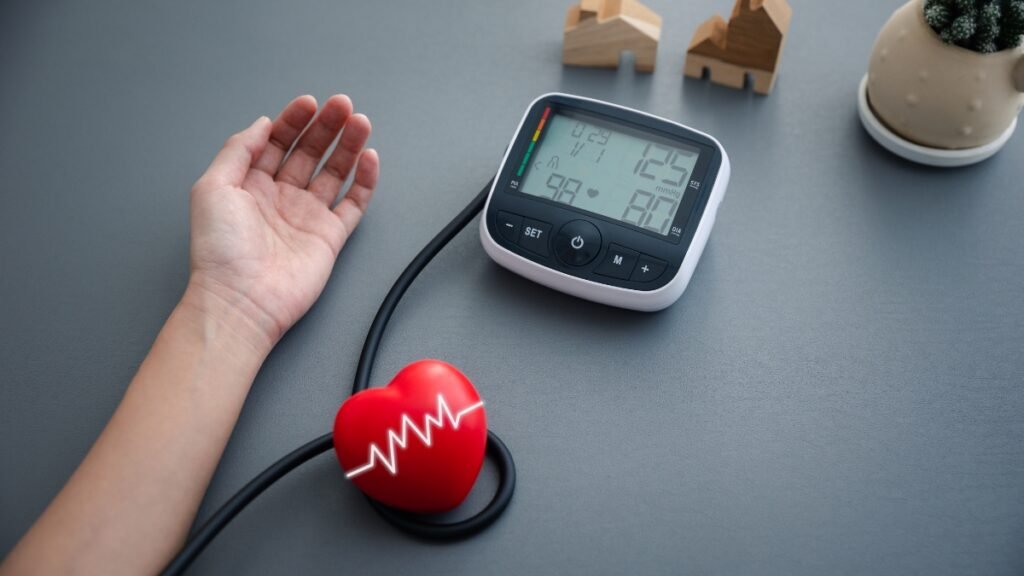
- Blood pressure (when appropriate and within your scope)
- Girth measurements (waist, hips, optional chest and thigh)
Simple movement tolerance
Pick 2–4 low-risk checks based on the person, for example:
- sit-to-stand for a set time or reps
- comfortable walking tolerance or step test at an easy pace
- basic range-of-motion checks for shoulders, hips, ankles
- balance check if needed
The purpose is not to diagnose. It is to set a safe starting line and create confidence.
3) Use assessment language that lowers fear
Use “safe” language and avoid gym intensity cues.
Better phrases:
- “comfortable pace”
- “safe range”
- “we will build gradually”
- “small wins first”
- “we track progress so you do not have to guess”
If “fitness” is a trigger word for your audience, use “wellness,” “healthy lifestyle,” and “guided progress.”
4) Turn the results into a simple plan
The assessment should lead directly to a clear starting recommendation.
A simple onboarding script sounds like:
“Based on what we saw today, here’s how we’ll start. We’ll run your 6-week foundation phase at three sessions per week, by private appointment. We’ll track progress weekly. The goal is energy, movement, and confidence first, then we build from there.”
Remember, the prospect is not buying training. They are buying a clear path.
5) Make the assessment a retention system
This is where studios win.
If you measure, you can show progress even when the scale does not move:
- inches down
- body fat trending down
- blood pressure improving
- strength increases
- better tolerance and mobility
- higher consistency and confidence
Deconditioned clients stay when progress is visible and the process feels controlled.
🔧 Tools and templates you can copy
Use this simple assessment flow every time.
Assessment flow, 60 minutes for the first assessment (30 minutes for re-assessments)
- Warm welcome, set expectations
- Short history and goals
- Baselines: weight, body fat, girths, optional BP
- 2–4 tolerance checks
- Explain what it means in plain language
- Validate the importance of the first 6 weeks
- Book the first exercise sessions and schedule the next assessment date
Two lines to prevent “test anxiety”
- “Nothing today is pass or fail. This is just a starting point.”
- “The goal is a plan that feels safe and doable, and progress you can see.”
🧱 Why this increases conversions
A simple assessment improves conversions because it creates three things fast:
- Safety: the prospect sees you will not push them past their limit
- Trust: you look professional and structured, not improvised
- Clarity: the next step is obvious, not confusing
When a prospect leaves with a plan and a starting point, the decision becomes easy.
➡️ Next step
Where is your business actually leaking? The Personal Training Business Starter Kit includes a scorecard: five sections, 25 questions, scored out of 125. About ten minutes with a pen and you will know which part of the business is costing you money. → Get the free Starter Kit








Please help us by sharing on your favorite Social Media