
studio model

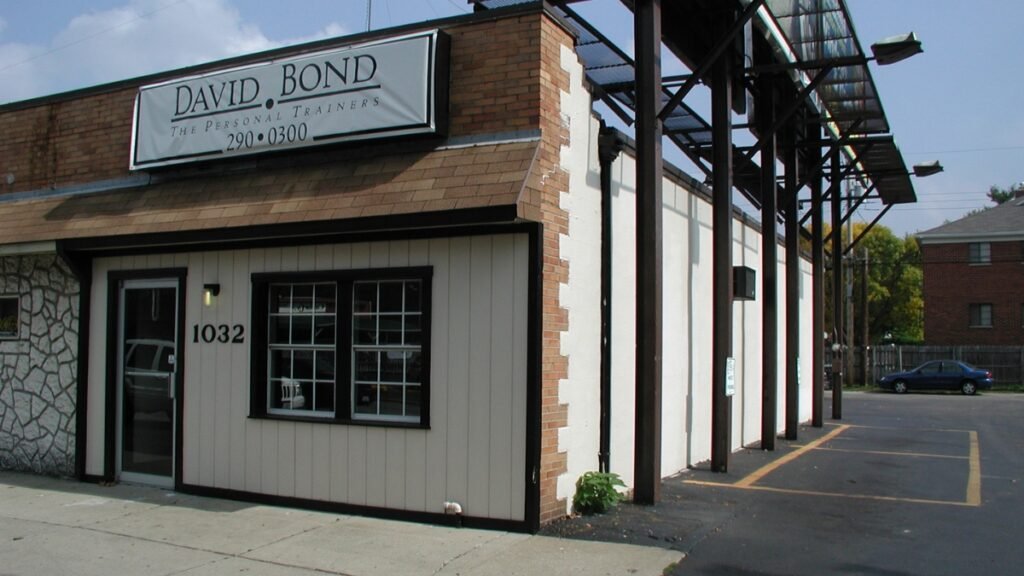
Illustration of the Just Results Lifestyle Studios storefront, representing the late 1990s studio case study and turnkey business model concept

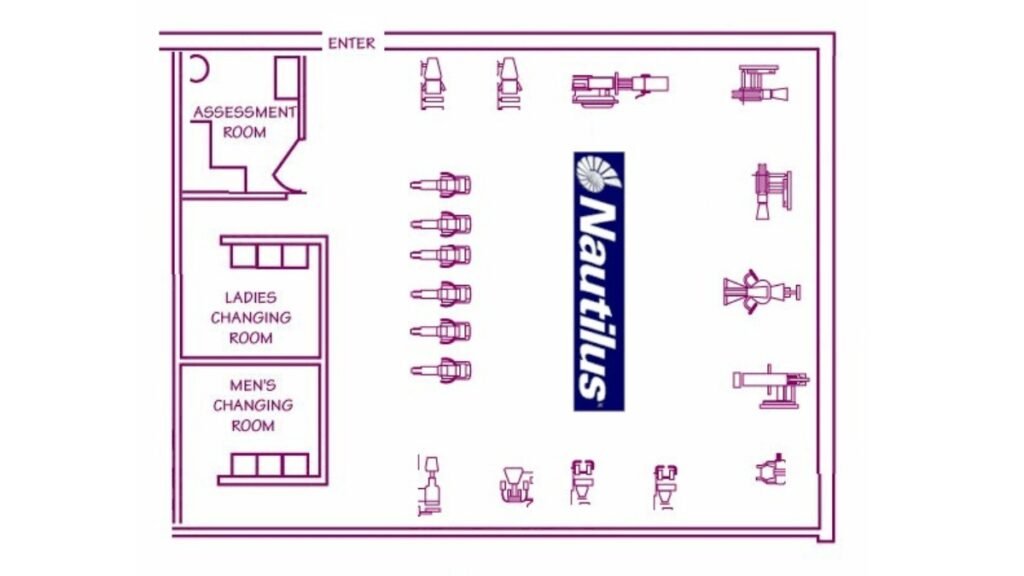
Case Study – Just Results Lifestyle Studios (1997–2000)

Most personal trainers only see the industry as it exists today. This case study is a different chapter: the point where I had full control to build the studio model the way I believed it should be built, systemized, turnkey, and designed for the deconditioned market from day one. It is also a credibility story. […]

Case Study – Just Results Lifestyle Studios (1997–2000) Read More »

, , , , ,
Personal trainer working at a studio front desk with exercise equipment in the background, showing the business side of a personal training studio

Personal Training Studio, The Best Long-Term Business

Most trainers don’t struggle because they can’t coach. They struggle because the gym business model and the personal training business model are built on opposite incentives. One side wants high-volume memberships and low labor cost. The other side needs time, attention, appointments, and results. This post explains why the studio model is the best long-term

Personal Training Studio, The Best Long-Term Business Read More »

, , , , ,
Infographic showing how to start your own personal training business, with 5-step pathway from positioning to retention and a systems-first message

How to Start Your Own Personal Training Business

Most personal trainers do not fail because they lack coaching skill. They struggle because the business side is fuzzy. Leads are inconsistent. Consults are unstructured. Pricing is improvised. Retention is accidental. Starting your own personal training business is not about having a logo and an Instagram page. It is about installing a simple operating system

How to Start Your Own Personal Training Business Read More »

, , , , ,
Personal training business owner coaching trainers, representing the shift from owner-operator to leader through delegation and systems

Owner to Leader, The Shift That Creates Freedom

Most personal trainers do not burn out because they dislike coaching. They burn out because the business depends on them for everything, sales, scheduling, delivery, admin, follow-up, and problem-solving. The shift from owner to leader is the point where a personal training business stops being a job and becomes a system. That is also where

Owner to Leader, The Shift That Creates Freedom Read More »

, , , ,
Perth skyline at sunset with Renouf Personal Training Centre logo, representing the 1992–1994 origin case study in Western Australia

Case Study – Renouf Personal Training Centre, Perth (1992–1994)

Most personal trainers only see the industry as it exists today. This case study goes back to the beginning, how a high-profile personal training center was built in the early 1990s, what made it explode in growth, and what lessons still apply today. It is also an honest origin story. Some things were right, some

Case Study – Renouf Personal Training Centre, Perth (1992–1994) Read More »

, , , , ,
Personal trainers collaborating at a table during an academy pre-launch, representing community and support for building a personal training business

Personal Training Profits Academy, Join the Pre-Launch

Most personal trainers do not need more information. They need a clearer path, better systems, and a support environment that keeps them moving forward. That’s why the Personal Training Profits Academy is now open for pre-launch, with a free membership (Limited time offer) option to get started. 📌 Key Takeaways 🧭 Who this is for

Personal Training Profits Academy, Join the Pre-Launch Read More »

, , , , ,
Extinguished candle with smoke on a dark background, symbolizing personal trainer burnout

Why Personal Trainers Burn Out, and How Systems Fix It

Most trainer burnout is not caused by lack of passion. It is caused by a business model that depends on constant energy, constant selling, and constant improvisation. When the business runs on personality, the owner becomes the bottleneck, and the business becomes fragile. A business that runs on systems is different. It creates predictability for

Why Personal Trainers Burn Out, and How Systems Fix It Read More »

, , , , ,
Hands holding three human figure icons, representing client retention and long-term relationships in a personal training studio

Why Deconditioned Clients Retain Longer, and Why That Changes Your Studio Math

Most studios chase more leads when the real profit lever is retention. When a studio is built for the deconditioned market, clients stay longer because the service matches real life, the process feels safe, and progress is measurable. Retention is not a “nice to have.” It is the business model. 📌 Key Takeaways 🧭 Who

Why Deconditioned Clients Retain Longer, and Why That Changes Your Studio Math Read More »

, , , , , ,
Two personal trainers standing in a gym, representing building a personal training business and studio ownership

Why Trainers Should Build Their Own Personal Training Business

Most trainers start inside someone else’s system. That can be a useful phase, but it is not a career plan. A real personal training business is built by owning the client journey, the environment, and the revenue model. This post breaks down five common ways trainers operate today, the pros and cons of each, and

Why Trainers Should Build Their Own Personal Training Business Read More »

, , , , , ,
Blood pressure monitor during a simple client assessment in a personal training studio

Why Assessments Create Safety, Trust, and Higher Conversions

Most studios try to sell training before they earn trust. A simple assessment flips the order. It makes the first visit feel safe, professional, and structured, and it turns “I’m not sure” into “this feels doable.” 📌 Key Takeaways 🧭 Who this is for This is for studio owners and trainers who want higher consult

Why Assessments Create Safety, Trust, and Higher Conversions Read More »

, , , , , ,
Scroll to Top