
deconditioned-market

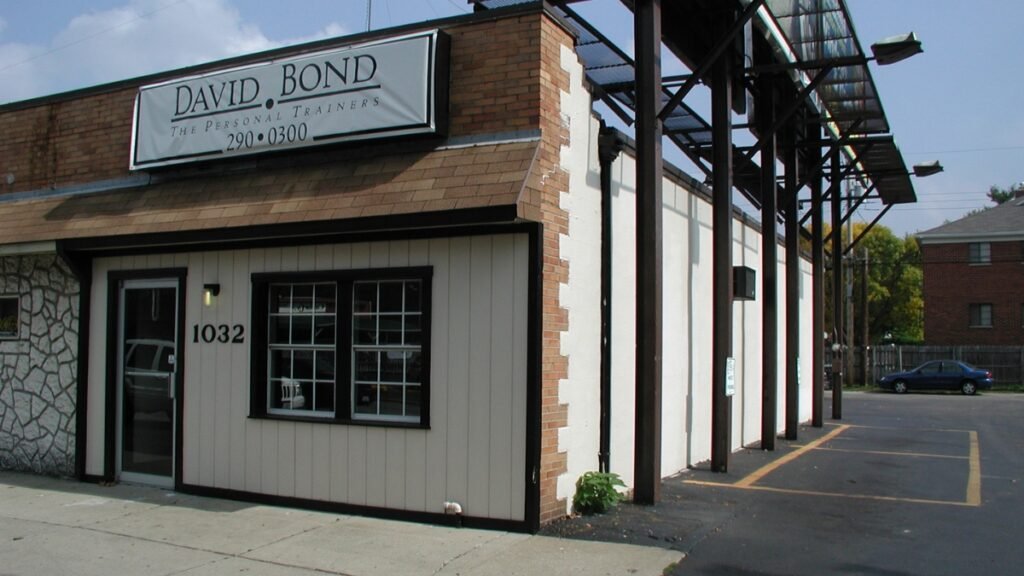
Illustration of the Just Results Lifestyle Studios storefront, representing the late 1990s studio case study and turnkey business model concept

Case Study – Just Results Lifestyle Studios (1997–2000)

Most personal trainers only see the industry as it exists today. This case study is a different chapter: the point where I had full control to build the studio model the way I believed it should be built, systemized, turnkey, and designed for the deconditioned market from day one. It is also a credibility story. […]

Case Study – Just Results Lifestyle Studios (1997–2000) Read More »

, , , , ,
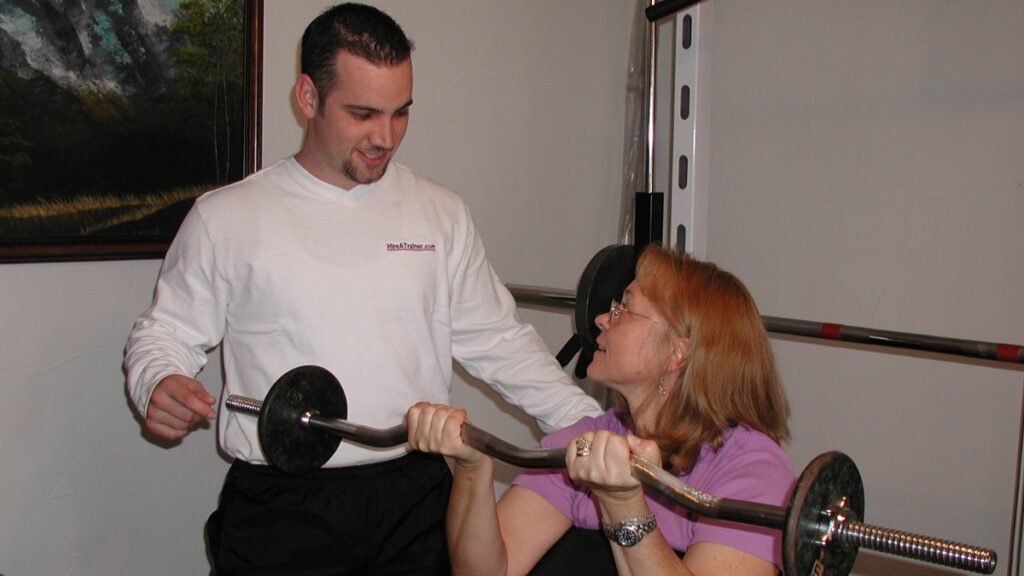
Personal trainer working at a studio front desk with exercise equipment in the background, showing the business side of a personal training studio

Personal Training Studio, The Best Long-Term Business

Most trainers don’t struggle because they can’t coach. They struggle because the gym business model and the personal training business model are built on opposite incentives. One side wants high-volume memberships and low labor cost. The other side needs time, attention, appointments, and results. This post explains why the studio model is the best long-term

Personal Training Studio, The Best Long-Term Business Read More »

, , , , ,
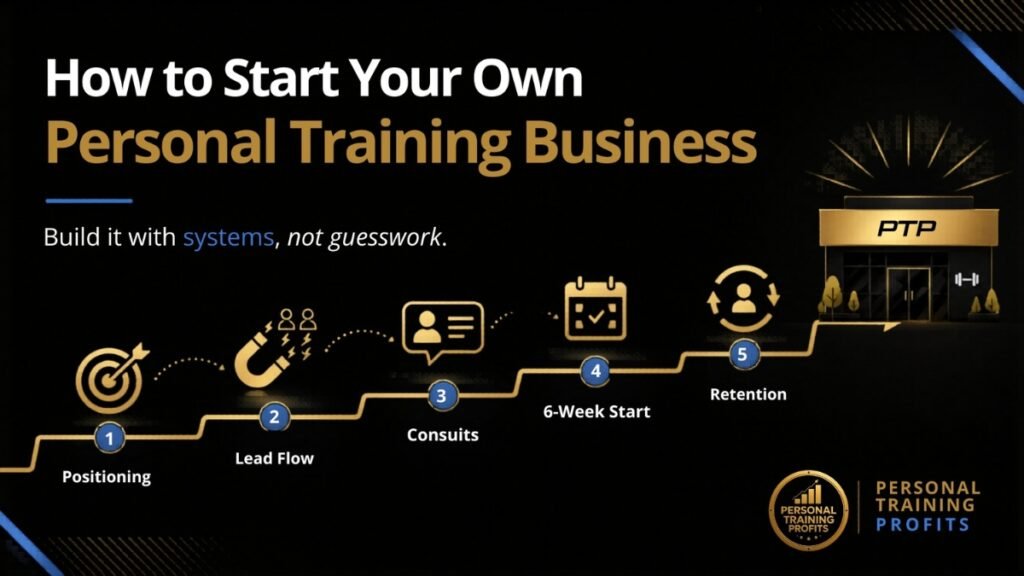
Infographic showing how to start your own personal training business, with 5-step pathway from positioning to retention and a systems-first message

How to Start Your Own Personal Training Business

Most personal trainers do not fail because they lack coaching skill. They struggle because the business side is fuzzy. Leads are inconsistent. Consults are unstructured. Pricing is improvised. Retention is accidental. Starting your own personal training business is not about having a logo and an Instagram page. It is about installing a simple operating system

How to Start Your Own Personal Training Business Read More »

, , , , ,
Hand stacking wooden blocks, representing the 6-week foundation phase built step by step for a personal training business

The 6-Week Foundation Phase

Most personal trainers lose clients in the first 30–60 days, not because the training is “wrong,” but because the first phase has no structure. A 6-week foundation phase fixes that. It gives the client early wins, builds routine, and makes the next step obvious. This is the simplest way to turn a personal training business

The 6-Week Foundation Phase Read More »

, , , , ,
Personal training consultation with a clipboard, showing client-friendly messaging that helps book consults

Client-Friendly Messaging That Books Consults

Most personal trainers do not need more marketing tricks. They need better language. The right words reduce fear, make the first step feel safe, and turn interest into booked consultations. This post gives you messaging you can use today, especially for the non-gym majority and the deconditioned market. 📌 Key Takeaways 🧭 Who this is

Client-Friendly Messaging That Books Consults Read More »

, , , , ,
Extinguished candle with smoke on a dark background, symbolizing personal trainer burnout

Why Personal Trainers Burn Out, and How Systems Fix It

Most trainer burnout is not caused by lack of passion. It is caused by a business model that depends on constant energy, constant selling, and constant improvisation. When the business runs on personality, the owner becomes the bottleneck, and the business becomes fragile. A business that runs on systems is different. It creates predictability for

Why Personal Trainers Burn Out, and How Systems Fix It Read More »

, , , , ,
Hands holding three human figure icons, representing client retention and long-term relationships in a personal training studio

Why Deconditioned Clients Retain Longer, and Why That Changes Your Studio Math

Most studios chase more leads when the real profit lever is retention. When a studio is built for the deconditioned market, clients stay longer because the service matches real life, the process feels safe, and progress is measurable. Retention is not a “nice to have.” It is the business model. 📌 Key Takeaways 🧭 Who

Why Deconditioned Clients Retain Longer, and Why That Changes Your Studio Math Read More »

, , , , , ,
Blood pressure monitor during a simple client assessment in a personal training studio

Why Assessments Create Safety, Trust, and Higher Conversions

Most studios try to sell training before they earn trust. A simple assessment flips the order. It makes the first visit feel safe, professional, and structured, and it turns “I’m not sure” into “this feels doable.” 📌 Key Takeaways 🧭 Who this is for This is for studio owners and trainers who want higher consult

Why Assessments Create Safety, Trust, and Higher Conversions Read More »

, , , , , ,
Diverse group of adults raising hands, representing the deconditioned market for personal training studios

The Deconditioned Market, The Best Studio Opportunity

Most mainstream fitness industry marketing chases the already-fit. Real studio growth comes from the much larger group that will never join a gym, but still wants help. That group is the deconditioned market. It is underserved, easier to convert with the right process, and more likely to stay when results are tracked and the experience

The Deconditioned Market, The Best Studio Opportunity Read More »

, ,
Personal training business systems graphic with icons for training, targets, operations, and growth

Welcome to Personal Training Profits, the anti-franchise playbook for real studios

Most trainers do not fail because they lack knowledge. They fail because they never install a business model that can produce leads, convert them consistently, deliver results simply, and retain clients long enough to build real profit. Personal Training Profits exists to fix that. We are not here to promote hustle culture, trendy workouts, or

Welcome to Personal Training Profits, the anti-franchise playbook for real studios Read More »

, , , ,
Scroll to Top